Strait of Hormuz Closed: Why Prices are Skyrocketing
When a conflict breaks out in the world, such as the one involving Iran, the United States and Isreal in the Middle East, may seem distant at the beginning. But then the ripples travel far beyond geography. Oil prices begin to rise and Shipping routes shift. Markets tremble and the world feels like its holding its breath.
Why This Matters
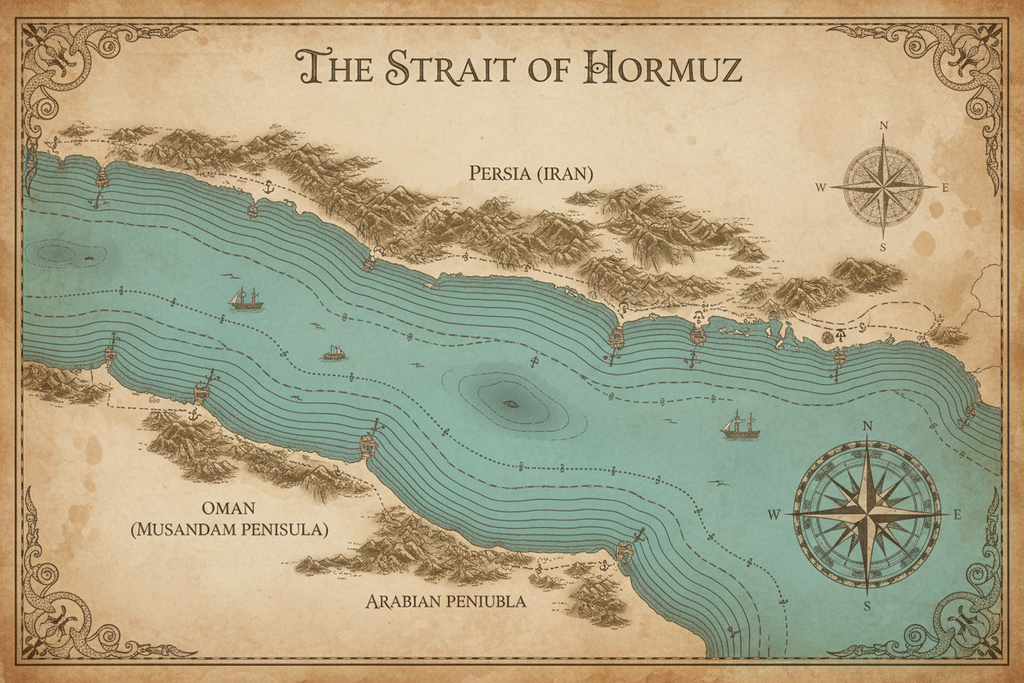
The Strait of Hormuz is one of the world’s most vital energy corridors. Roughly 20–30% of the world’s crude oil and LNG exports pass through it every day. traveling mainly from Gulf producers to Asia, Europe, and other parts of the world.
A major conflict involving Iran, especially if it leads to a closure or significant disruption of Hormuz, would ripple through global markets, inflation, supply chains, and consumer prices.
When conflict breaks out around a chokepoint, higher global fuel prices often follow shortly. And when fuel rises, everything else quietly follows including transportation, manufacturing, groceries, utilities.
For small business owners, this isn’t theory.
It becomes:
-
Higher supplier invoices
-
Increased shipping fees
-
Tighter margins
-
More cautious customers
Consumer and small businesses always feel it first.
But conflict does not mean being helplessness.
It means you need to prepare.
Business & Industry Impacts — Who Gets Hit the Hardest?
Energy Sector
Direct impacts:
-
Oil & Gas Producers:
• Some producers benefit from higher prices but face logistical constraints.
• Middle Eastern exporters suffer from lost export volumes if Hormuz is closed. -
Refiners & Utilities:
• Higher feedstock costs (oil & LNG) make refining more expensive.
• Utilities relying on natural gas face elevated input costs. -
Manufacturing
-
Sectors with high energy use (steel, chemical, automotive, electronics) see production costs rise during energy shocks.
-
shipping delays and higher freight costs cause Supply chains become less reliable.
Agriculture & Food
-
Fertilizer prices rise since they are energy-intensive and linked to natural gas pricing. Higher transport costs also affect grain shipments.
-
Food prices then rise as input and distribution costs increase.
Consumer Goods and Retail
-
Higher transport and fuel costs push up prices for consumer goods.
-
Just-in-time supply chains are especially vulnerable to route disruptions
-
The Real Risk: Margin Compression
Large corporations have hedging strategies, diversified supply chains, and deep cash reserves.
Small businesses operate differently.
You may depend on:
-
Imported inventory
-
Predictable shipping timelines
-
Consistent customer spending
When fuel prices spike, your costs rise and customers simultaneously become more cautious.
That squeeze is where preparation matters most as your profits begin to drop.
The Calm Strategy During Economic Turbulence
Instead of reacting emotionally, wise businesses focus on four pillars:
1. Protect Cash Flow
Cash is oxygen during economic stress. Strengthen reserves. Review expenses. Model worst-case scenarios before they happen.
2. Reinforce Supply Stability
Know your critical products. Understand which suppliers are most vulnerable to global shipping disruption.
3. Adjust Pricing with Grace
Avoid sudden spikes. Make small, thoughtful adjustments. Use bundles to increase value instead of simply raising prices.
4. Strengthen Customer Trust
In uncertain times, customers gravitate toward stability. Show up consistently. Communicate calmly. Reinforce quality and longevity.
A Hidden Opportunity
Periods of global instability often reward steady brands.
When competitors panic, You:
-
remain composed.
-
stay strategic.
-
reinforce value.
Customers remember that.
Oil may rise.
Shipping may slow.
Markets may wobble.
But small businesses built on clarity, discipline, and calm leadership do not crumble easily.
They adapt.
<iframe width="560" height="315" src="https://www.youtube.com/embed/CUmNiY98YaA?si=pvWwwAQZ1HXajIIN" title="YouTube video player" frameborder="0" allow="accelerometer; autoplay; clipboard-write; encrypted-media; gyroscope; picture-in-picture; web-share" referrerpolicy="strict-origin-when-cross-origin" allowfullscreen></iframe>